5 Mindful Questions to Ask Yourself to Relieve Chronic Pain
How to Use Mindfulness for Pain Management
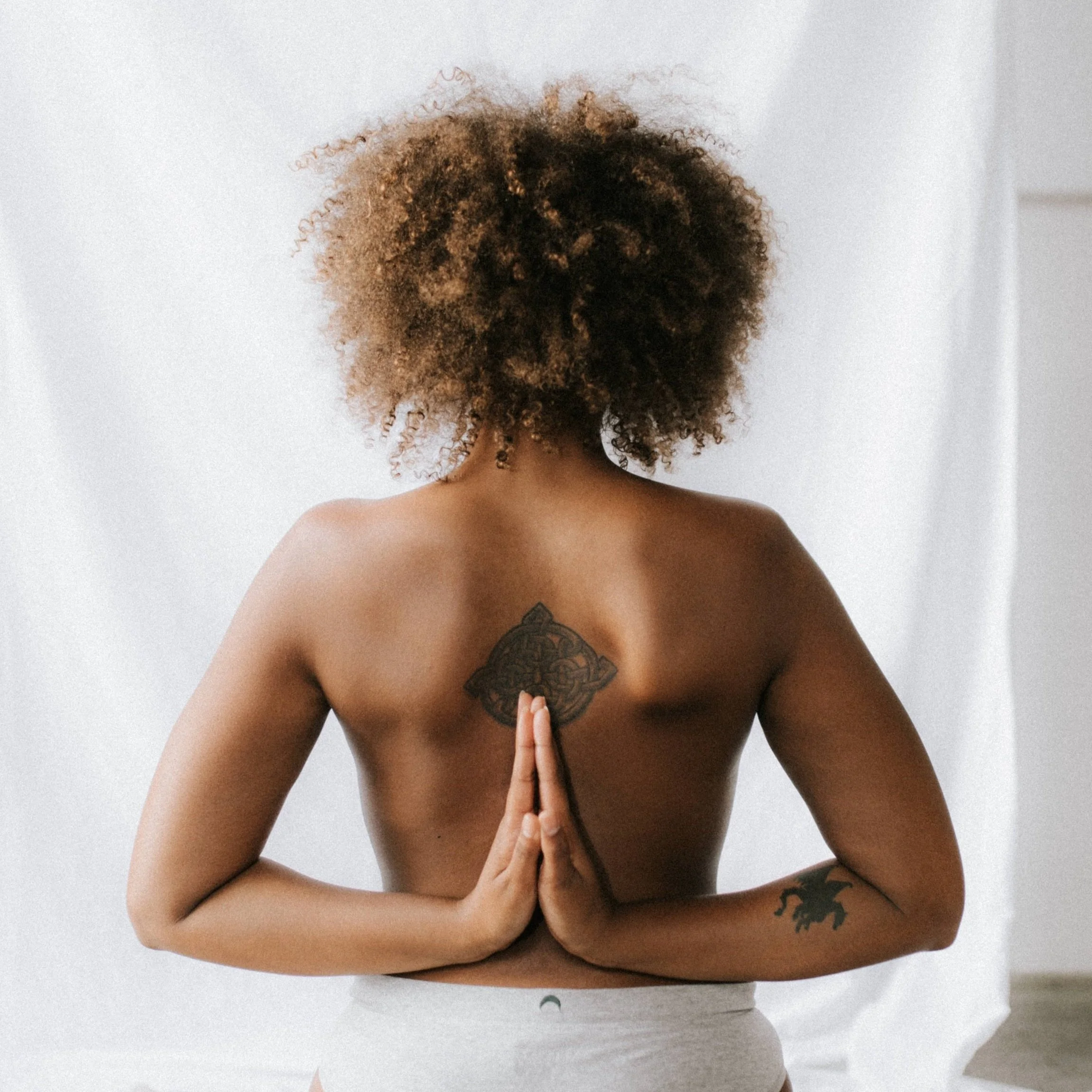
Do you suffer from chronic hip, knee, back, or joint pain? If you're reading this article the chances are the answer is yes. The good news is that there are some simple techniques you can implement into your lifestyle that can help alleviate some of the pain you are experiencing. Stretching on a regular basis has profound benefits and is extremely important to keep us as pain-free as possible as we age. The use of a foam roller and Thera gun for myofascial release is another simple method that is very beneficial.
It's important to identify the cause and origin of pain to make the necessary changes to your routine to help remedy the problem. Many times, it's our activities of daily living that are the root cause of our pain. If you are having pain, ask yourself these 5 questions:
1. What position do you sleep in?
Stomach sleepers typically suffer from lower back issues, while side sleepers can have shoulder, back, and hip issues. If you sleep on your side, try placing a pillow between your knees. This simple adjustment will help keep your spine and hips in a more neutral position. Sleeping on your back in a zero-gravity position is optimal. If you don’t own an adjustable bed, you can create a zero-gravity position by placing pillows under your legs. It takes awareness of how you are sleeping, catching yourself, and changing that position immediately to create a new sleeping habit. It doesn't happen overnight. I used to be a stomach sleeper with lower back pain. It took me a year to relearn new sleeping positions. Trust me when I say it is worth it.
2. Do you wear special shoes or have insoles? Are you a supinator or a pronator?
I used to be a supinator walking on the outside of my feet, and it didn't help my ankles and knees. I was fitted for a pair of shoes with insoles specific to my needs and what a difference it made. Take care of your feet and the rest of your body will be happy.
3. How is your posture? Are your shoulders protracted or retracted?
Sitting at a computer, standing all day at a job, and looking down at our phones while texting or checking social media leads to poor posture. So many suffer from neck and back pain just from this lifestyle alone. Most people have protracted shoulders meaning rounding the shoulders and cervical vertebrae forward. There are many back exercises, shoulder exercises, and stretches that can help improve posture and overall spine health. The most important way to help your posture is having an awareness of it and reposition yourself immediately. The more mindful you are correcting your old habits, the easier it is to reduce pain and discomfort by creating new ones.
4. How is your posture when you sit in your car, at home, or out in public? Do you cross your legs?
I never thought about this until a few years ago. Most of us learned to drive around the age of sixteen. How many years have you been leaning on the windowsill, or console, or not sitting in a good position while driving? These are the types of things that can lead to imbalances in the body over time. A good example is breaking the habit of leaning on the console while driving this is an issue I struggle with because my right shoulder sits lower than my left. I also struggle with right hip pain. Since adjusting my driving posture my hip pain is slowly residing. Bring awareness to your posture with everything you do, and it will help heal your discomfort.
5. Have you learned to exercise properly with good form from a Certified Personal Trainer?
Many people think that following the guidance of someone on a video helps with proper form. Not true. Everyone has some type of imbalance in their body whether the left side is weaker than the right, or an arm/leg that is slightly longer, etc. A movement may feel natural and correct to you, but there is a possibility that your form is incorrect. People new to exercise should have a personal trainer for at least three to six months to learn proper exercise techniques to avoid injury. Placing our bodies in compromised positions can lead to imbalances, injury, and pain. It takes one thousand repetitions of the correct form of an exercise movement for it to become a natural movement. It's vital to perform movements with the correct form to decrease your risk of injury.
Once you become mindful of your habits, correcting them will make a major difference in reducing pain in your body. Combine it with stretching, foam rolling, and the Thera gun and your body will become more comfortable and manageable.
Originally published for Longboat News